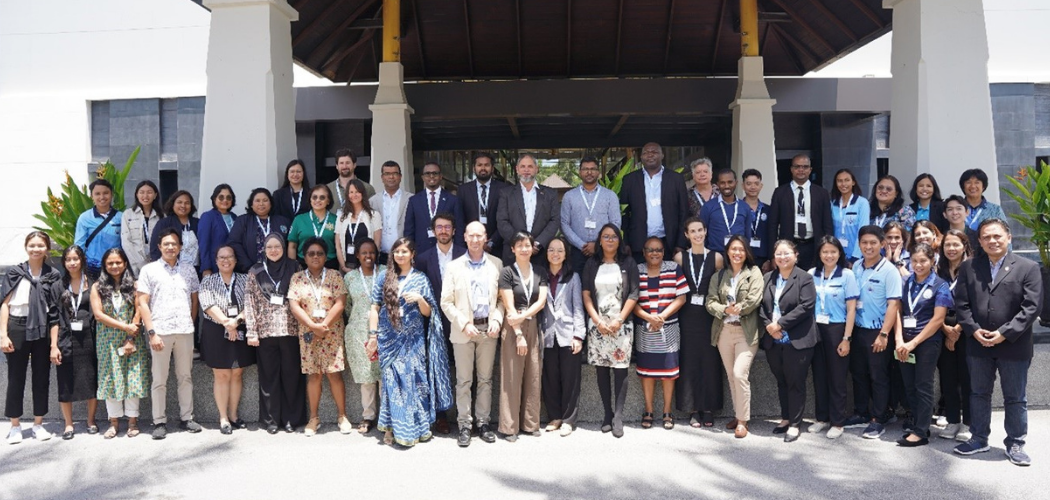
The 5th IORA Blue Carbon Hub Think Tank Meeting, themed "Nature, biodiversity and carbon markets for sustainable management of coastal ecosystems," was organized to address the critical role of blue carbon ecosystems (BCEs), including mangroves, seagrasses, and tidal marshes, within the global carbon cycle. Held from 10–12 September 2024 in Phuket, Thailand, the meeting’s primary purpose was to identify existing barriers to effective nature finance and explore the potential for market mechanisms to support essential coastal restoration and protection efforts.
Key objectives included convening high-level experts to discuss constraints and opportunities in carbon and biodiversity markets, building regional awareness in nature finance, and exchanging vital information regarding policy frameworks and international best practices.
The event was co-hosted by the Thailand Department of Marine and Coastal Resources and the IORA Blue Carbon Hub, working in close collaboration with the IORA Secretariat. Participation for the meeting was notably high, with official representation from 17 IORA Member States and multiple Dialogue Partners. The attendee list also included a diverse group of stakeholders and experts from prominent organizations such as the World Economic Forum, CSIRO, and several national universities.
The meeting program featured intensive discussions centered on nature-positive finance and the practical implementation of international blue carbon policy frameworks. Blue Economy activities were specifically highlighted through dedicated sessions addressing the technical aspects of measuring nature through remote sensing and earth observation technology, as well as practical case studies like Kenya's Vanga Blue Forest and Australia's Great Barrier Reef restoration projects. These activities advanced the regional agenda by distilling recommendations for IORA to support specialized training in Measurement, Reporting, and Verification (MRV) and the strategic development of a finance access toolkit. Member States were also encouraged to address local governance gaps concerning legal rights for carbon and nature.
This initiative is directly relevant to Blue Economy, significantly contributing to regional cooperation and capacity building by aligning natural resource management with sustainable development goals and climate resilience across the Indian Ocean.