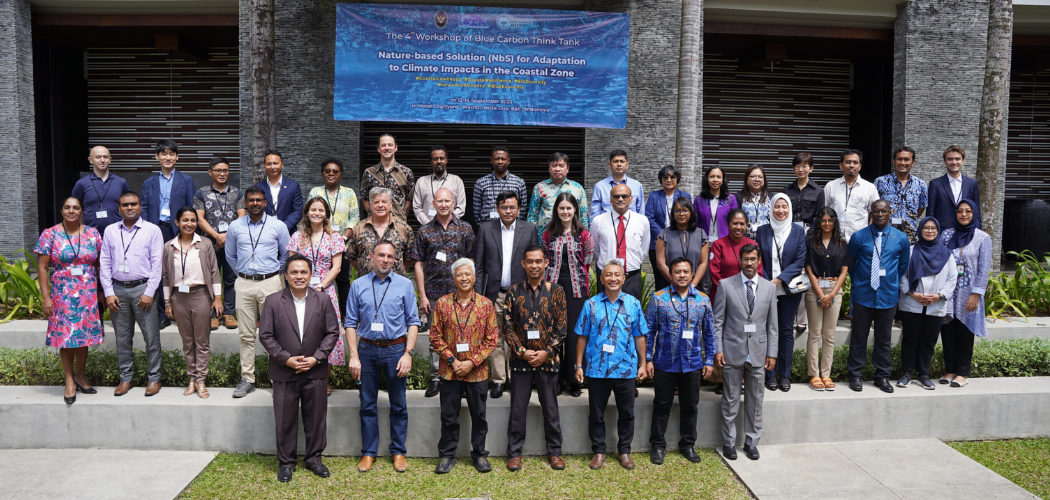
The IORA Workshop on Empowering Coastal Communities through Nature-Based Solutions, titled “Unveiling the Hidden Wealth of Blue Carbon Ecosystems Conservation in the IORA Region,” was conducted to address the escalating threats of climate change, such as rising sea levels and extreme weather events.
The primary purpose was to explore how the conservation and restoration of blue carbon ecosystems (BCEs), specifically mangroves, salt marshes, and seagrass meadows, could serve as a critical strategy for climate mitigation and the protection of coastal infrastructure. Key objectives included fostering interdisciplinary dialogue, sharing best practices in community empowerment, and co-creating innovative strategies for the sustainable management of these vital habitats across the Indian Ocean region.
The event was hosted by Mzumbe University, Tanzania, in collaboration with the IORA Secretariat. Participation was extensive and inclusive, featuring a diverse range of stakeholders from IORA Member States, including academic researchers, government officials from environmental ministries, and conservation practitioners. A cornerstone of the event was the active involvement of local community leaders and indigenous representatives, ensuring that those most dependent on coastal resources contributed directly to the dialogue and shared their unique perspectives.
The workshop program was organized around five central themes:
- the socio-economic dynamics of coastal communities,
- community engagement and empowerment,
- policy and governance,
- the science-policy interface,
- and sustainable livelihoods.
Activities featured keynote presentations, interactive panel sessions, and hands-on workshops where participants collaborated to identify future blue carbon projects. A significant component was a field visit, which provided a platform for coastal community members to demonstrate their traditional knowledge and existing conservation practices to regional experts.
Main outcomes included the formulation of policy recommendations aimed at integrating community perspectives into regional governance and the development of action plans for sustainable livelihoods. By emphasizing the "science-policy-community" interface, the workshop strengthened regional capacity. This initiative was highly relevant to IORA’s Blue Economy work plan, as it catalyzed regional cooperation to protect biodiversity while enhancing the resilience of coastal populations.